
Category: Watch Log
-

2016 – A Year in Review
It’s been another eventful year here at the Inner Space Center (ISC)! We outfitted two research vessels and a merchant vessel with telepresence technologies, and supported over 100 days of telepresence on the E/V Nautilus, and on the NOAA Ship Okeanos Explorer. Our services facilitated the investigation the El Faro shipwreck, supported a 5-year study…
-

Creature Spotlight: Dancing, Flailing Sea Cucumbers
Among the most sighted organisms during the field season’s remotely operated vehicle dives are sea cucumbers, also known as holothurians. A class containing over 250 species, sea cucumbers are highly diverse, and may appear spiky and brightly colored, or smooth and translucent. The Nautilus Live video below , and this video by the NOAA Ship Okeanos Explorer…
-

Rediscovering History: the USS Independence
Thirty miles off the coast of San Francisco, CA, at 793 m (2,600 ft) depth, lies the watery grave of the decorated United States aircraft carrier, Independence.
-

Rediscovering History: Wake Island Atoll
On December 8th, 1941, shortly after the World War II attack on Pearl Harbor, thirty-six Japanese, Mitsubishi G3M2 Nell bombers appeared in the skies above Wake Island Atoll. A battle ensued.
-
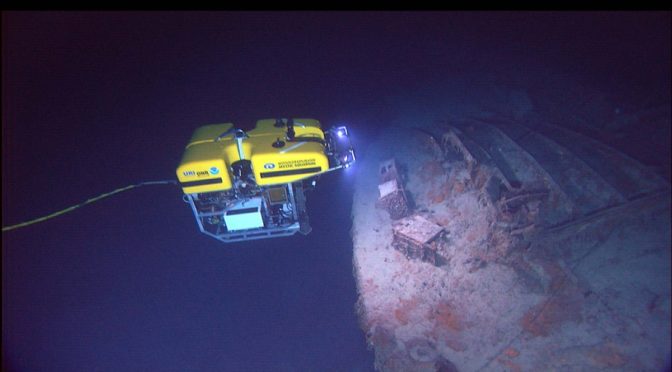
What is an ROV?
If the ocean is so unfathomably wide and deep, how can scientists possibly hope to do any more than dip our noses beneath the waves to explore? Luckily, engineers have adapted machines to reach areas of the ocean that would never be possible with a human alone. This is where remotely operated vehicles, or ROVs,…
-

Introducing the Newest U.S. Academic Research Vessel: R/V Sally Ride
Named in honor of the first woman to travel into space, Dr. Sally K. Ride, the R/V Sally Ride is the newest of the United State’s Academic Research Vessels (UNOLS). Operated by the Scripps Institution of Oceanography at the University of California, San Diego, in cooperation with the Office of Naval Research (ONR), Sally Ride…
-
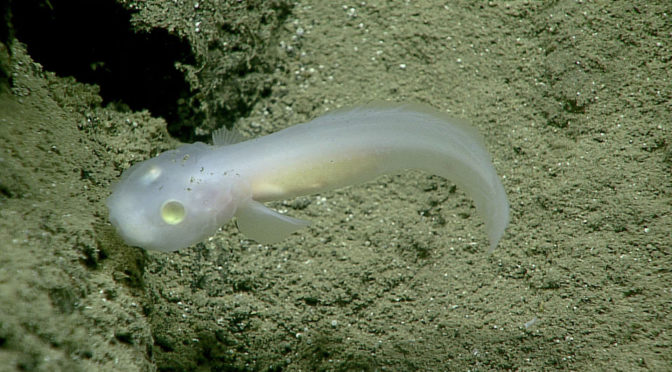
Amazing aphyonid fish!
The NOAA Ship Okeanos Explorer has been having an amazing cruise leg with lots of new discoveries. Last night the scientists made another amazing discovery. The scientists observed an aphyonid fish, roughly 10 cm long. This is the first time that this creature has ever been seen alive! Scientists were thrilled to see such an amazing fish! This eel-like…
-

Shark Week 2016
Remotely operated vehicles (ROVs) Deep Discoverer and Seirios encountered a deep-water, small tooth sand tiger shark at Maug Volcano in the Marianas Trench National Marine Monument (MTNM) on June, 19, 2016. Video courtesy NOAA Ship Okeanos Explorer, streamed live by the Inner Space Center during cruise leg EX1605L3.
-

Hermit crab that uses anemone as shell
Video courtesy NOAA Ship Okeanos Explorer, Dive 15: Explorer Ridge, June 30, 2016.
-
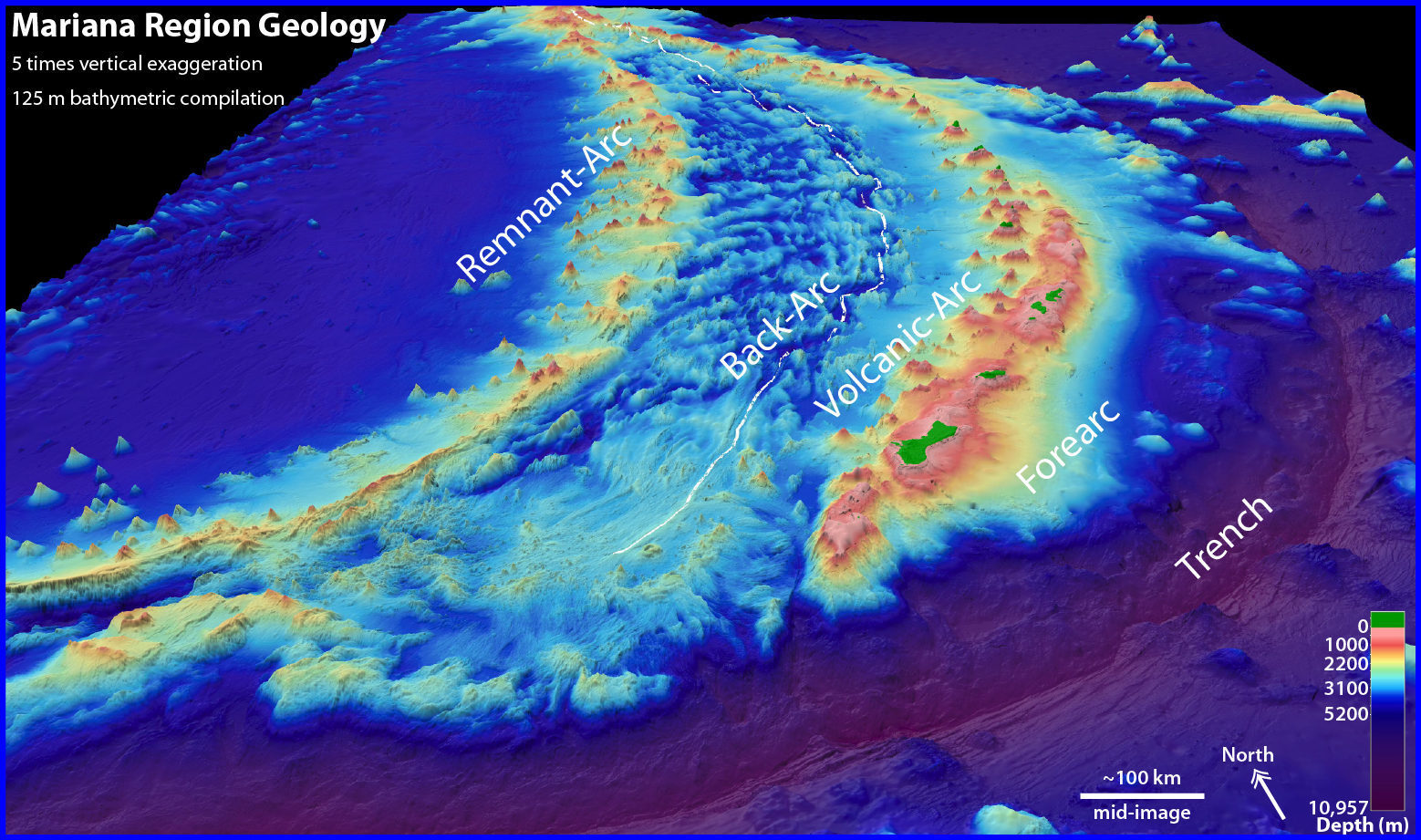
Okeanos Update: Team Dives Mud Volcanoes
In the Marianas, the west-moving Pacific plate is forced beneath the Philippine plate as they collide, a process known as subduction. As a result, the region is characterized by many geological features including fault lines, earthquakes, volcanoes, cold seeps, hydrothermal vents, and mud volcanoes.